Tsitsi 0415 403 313
Hilda 0415 402 516
Need Help? Call Us

Tsitsi 0415 403 313
Hilda 0415 402 516
Can urinary tract infection cause urinary incontinence? Yes. A urinary tract infection (UTI) irritates the bladder lining, which can trigger sudden urges, frequent trips to the toilet and leaks that weren't there before. For most people, this type of urinary incontinence is temporary and settles once the infection is treated. For people with disability, though, a UTI can be harder to spot.
Some people can't describe pain or burning, so new or worsening incontinence, changes in behaviour or increased confusion may be the first signs something is wrong. Knowing what to look for helps carers and support workers act quickly and get the right medical care.
Your urinary system is the body's drainage system for removing waste and extra fluid. The kidneys filter the blood to make urine, which travels down two thin tubes called ureters to the bladder. The bladder stores urine until you're ready to urinate, and then urine leaves the body through the urethra. The kidneys and ureters make up the upper urinary tract, while the bladder and urethra form the lower urinary tract.
Emptying the bladder is a normal process that also protects the urinary system, because each wee helps flush out bacteria that have entered the urinary tract. According to the US National Institute of Diabetes and Digestive and Kidney Diseases, all parts of the urinary tract need to work together in the right order for normal urination. Good bladder control also depends on nerve signals travelling between the brain and the bladder, telling the bladder muscle when to hold on and when to relax.
Most cases of urinary tract infection start when bacteria from the bowel, usually Escherichia coli (E. coli), travel up the urethra and infect the lining of the urinary tract. A bladder infection, also called cystitis, is the most common type of UTI. If left untreated, it can spread up to the kidneys and develop into a kidney infection.
Once bacteria settle in the urinary tract, the bladder lining becomes inflamed. That inflammation makes the bladder muscle irritable, so it can contract on its own in involuntary spasms. The result is a sudden, intense urge to wee, even when the bladder holds only a small amount of urine.
Urologist Dr Elayne Ooi, speaking with Continence Health Australia, explains that someone with a UTI may need the toilet every five to ten minutes instead of the usual three to four hours, a symptom known as urinary frequency. When the urge is too strong to hold before reaching the toilet, urine leaks. This is called urge incontinence.
For a person who needs help to walk, transfer or undress, even a short delay can mean an accident. A urinary tract infection that causes mild inconvenience for one person can lead to repeated episodes of urinary incontinence for someone who relies on support.
The good news is that UTI-related urge incontinence is usually short-lived. When a UTI is the true cause, symptoms typically settle within a day or two of starting antibiotics prescribed by a doctor.
Urinary incontinence is the involuntary loss of urine, and it comes in several forms. A urinary tract infection mainly causes urge incontinence, but that's only one type. Knowing the differences helps explain why some leaks settle with treatment and others don't.
Overflow problems deserve extra attention, because urine that sits in the bladder gives bacteria more time to grow. That raises the risk of repeat infections, which is why people with bladder emptying problems are more likely to experience recurrent UTIs. If leaks continue after a UTI clears, an NDIS continence assessment with a Continence Nurse Consultant can pinpoint which type is involved and what support will help.
Anyone can get a urinary tract infection, but some groups face an increased risk. Continence Health Australia notes that UTIs are more common in people using continence aids or catheters.
Other factors that can make infection more likely include sexual activity, a previous UTI, a family history of UTIs in women, diabetes and anything that stops the urinary tract from draining properly. For people with disability, several of these risk factors often overlap:
The classic signs of a urinary tract infection include:
Many people with disability can't describe these symptoms, so carers need to watch for less obvious changes. Some people feel only mildly unwell or show unexplained changes in their bladder habits. Older people with a UTI can become confused or develop delirium.
Other signs to watch for include:
Support workers who know a person's usual routine are often the first to notice that something is off. Recording these changes in daily notes gives the GP useful information. Registered nurses who deliver NDIS nursing can also help teams set up bladder monitoring and clear escalation steps within a participant's care plan.
See a GP or other healthcare provider as soon as a urinary tract infection is suspected. A doctor will usually request a urine sample for testing, often a urine culture. This confirms the infection and identifies the bacteria so the right antibiotic can be prescribed. Pharmacy self-test kits can detect bacteria or abnormal cells, but they don't give enough information to diagnose a UTI.
Seek medical help promptly if the person has any of the following symptoms:
These can signal that the infection has spread to the kidneys or is developing into sepsis. Some mild infections settle on their own within a few days, but this is less likely for someone with an underlying condition affecting their bladder or immune system. If someone can't pass urine at all, see a doctor immediately or go to the emergency department.
For advice, call the healthdirect helpline on 1800 022 222 or the National Continence Helpline on 1800 33 00 66. Kidney Health Australia, which supports people living with kidney diseases, also publishes a free UTI factsheet.
Simple lifestyle habits can help prevent bacteria from settling in the urinary tract and support long-term bladder health. They make a real difference, especially for people who rely on others for personal care:
Drink enough fluids to keep urine pale yellow. Dr Ooi recommends drinking at least 1.5 litres of water daily to help flush out bacteria. Avoid cutting back on fluids to reduce leaks, as concentrated urine can make bladder problems worse. If a person has a fluid restriction, follow their doctor's advice.
This helps stop E. coli bacteria from the bowel reaching the urethra. Support workers should follow it every time they assist with toileting.
Regular changes reduce bacterial exposure and protect the skin.
Cotton underwear and breathable clothing reduce moisture around the urethra.
Sitting properly on the toilet and not rushing helps the bladder empty completely.
Fluids, fibre and regular movement all help.
Good hygiene and keeping the drainage bag below bladder level lower the risk of bacteria entering the urinary tract.
Recurrent UTIs need a closer look. If a person keeps getting one urinary tract infection after another, their GP will usually investigate the cause and may suggest a mix of lifestyle changes and medical options. For people with frequent UTIs, these can include low dose antibiotics taken over a longer period, or other treatments such as methenamine hippurate or, for post-menopausal women, vaginal oestrogen.
You may also hear about cranberry juice. Continence Health Australia notes that cranberry may help in a high-dose, concentrated form, rather than as everyday cranberry juice. Cranberry can also interact with medicines such as warfarin, so always check with the person's GP or pharmacist before starting any supplement.
If urinary incontinence continues after antibiotics, the urinary tract infection may not have been the full story. Persistent symptoms can point to resistant bacteria or another condition, such as an overactive bladder or interstitial cystitis (painful bladder syndrome), which may need a different treatment altogether. Recurring infections also need investigation to find the underlying cause.
Go back to the GP for review. From there, a Continence Nurse Consultant can assess how the urinary system is working, including bladder emptying and toileting routines, recommend suitable continence aids, and write a continence plan that support workers can follow day to day. For NDIS participants, continence assessments and continence aids may be funded through their plan when the incontinence relates to their disability.
Not usually. Urge incontinence caused by a UTI typically settles within a day or two of starting antibiotics. If leaks continue after treatment, speak to a doctor, as another condition affecting the urinary tract may be involved.
Urinary incontinence is any accidental leakage of urine. It can be short-term, such as urinary incontinence caused by an infection, or long-term, linked to pelvic floor, nerve or bladder emptying problems.
Very common. The Urological Society of Australia and New Zealand estimates that UTIs affect 1 in 3 Australian women and 1 in 5 Australian men in their lifetime, with around 25% experiencing recurring infections.
Women have a shorter urethra, so bacteria from the bowel don't have far to travel to enter the urinary system.
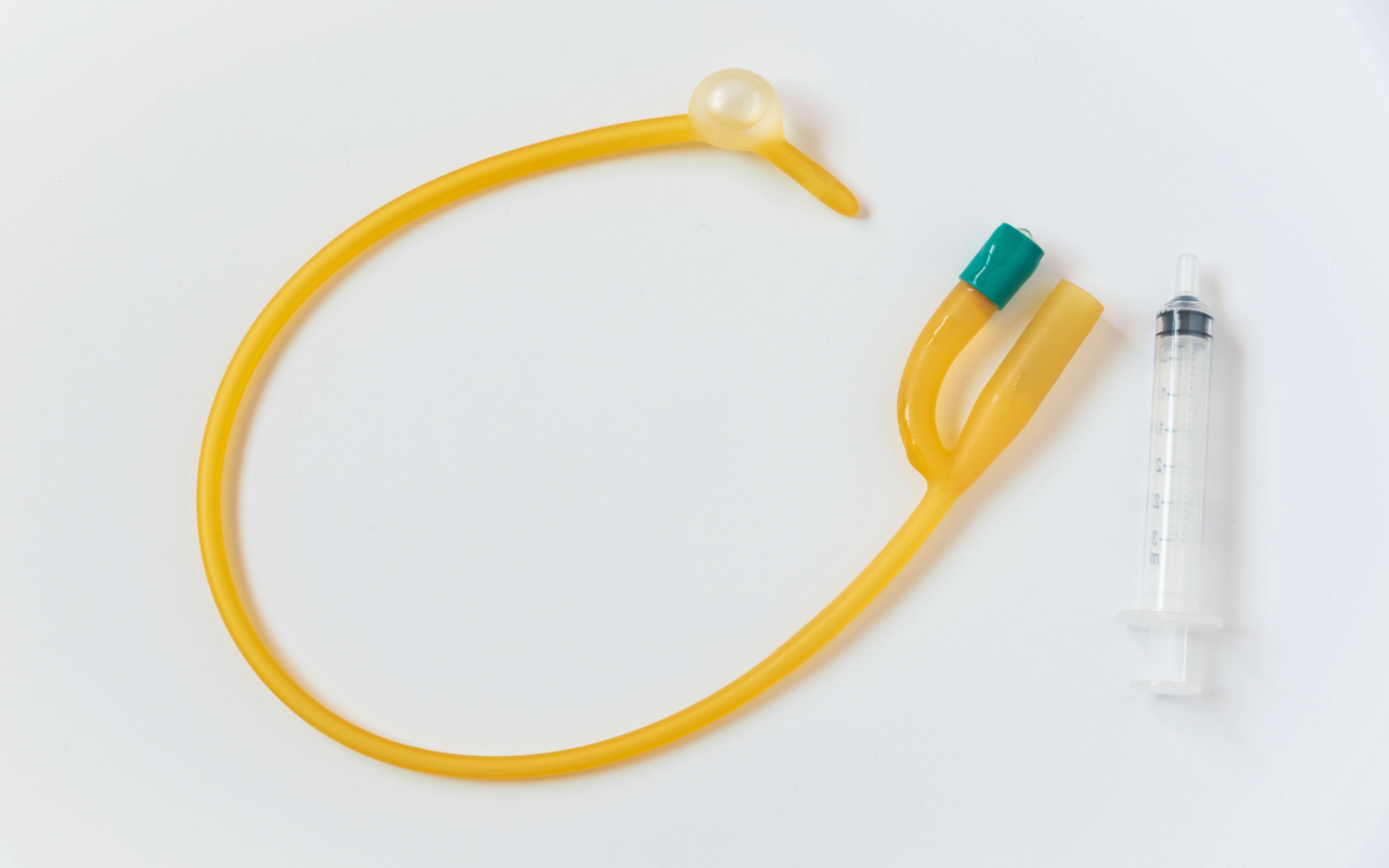
Yes. A catheter gives bacteria a direct path into the urinary system, which is why catheter hygiene and regular reviews are so important.
If someone you support is dealing with repeated UTIs or urinary incontinence that won't settle, Flame Lily can help. Our Continence Nurse Consultants provide assessments face to face across parts of NSW and via video consult Australia-wide. Our registered nurses can also build clear continence and catheter care plans for support teams. Contact us or submit a referral to get started.









Flame Lily Australia is an NDIS registered provider supporting participants with complex health needs through Continence Nurse Consultant (CNC) assessments, Nursing Care Plans (audit-ready), Nursing Support Services (RN oversight), High Intensity Nurse Support and training.
Home Care Package services via registered providers, where applicable.
Need Help? Call Us
Tsitsi - 0415 403 313
Hilda - 0415 402 516


Wollongong • North Wollongong • Fairy Meadow • Corrimal • Balgownie • Figtree • Keiraville • Gwynneville • Thirroul • Bulli • Austinmer • Dapto • Shellharbour area (Shellharbour, Oak Flats) (and surrounding suburbs)
Nowra • Bomaderry • Worrigee • North Nowra • South Nowra • Berry • Shoalhaven Heads • Culburra Beach • Huskisson • Vincentia • Callala Bay • Sussex Inlet (and surrounding suburbs)
Bowral • Mittagong • Moss Vale • Berrima • Burradoo • Bundanoon • Robertson • Sutton Forest • Exeter • Colo Vale (and surrounding suburbs)
Campbelltown • Leumeah • Bradbury • Glenfield • Ingleburn • Minto • Macquarie Fields • Raby • Rosemeadow • St Andrews • Menangle Park (and surrounding suburbs)
Sutherland • Miranda • Caringbah • Cronulla • Gymea • Kirrawee • Engadine • Menai • Sylvania • Oyster Bay (and surrounding suburbs)
Not sure if your suburb is included? We cover surrounding suburbs across these regions, and may travel further for bulk provider bookings.
Website Management  Love My Online Marketing
