Tsitsi 0415 403 313
Hilda 0415 402 516
Need Help? Call Us

Tsitsi 0415 403 313
Hilda 0415 402 516
Diabetes doesn't take breaks, and neither does the careful attention it demands. For many NDIS participants, managing this condition involves more than just monitoring blood sugar levels. It requires specialised nursing support that addresses the complex nature of diabetes care.
Managing diabetes becomes particularly challenging when it involves insulin administration, responding to dangerous blood sugar emergencies, or coordinating care alongside other health conditions like kidney disease or neuropathy. These tasks demand clinical expertise, precise timing, and professional judgement that only registered nurses can provide.
Flame Lily Australia understands that diabetes management is classified as a High Intensity Daily Personal Activity (HIDPA) under the NDIS framework. Our registered nurses provide expert support for participants who need professional assistance with their diabetes care, from daily medication management to emergency response and long-term complication prevention.
The NDIS recognises diabetes management as a High Intensity Daily Personal Activity (HIDPA). This classification exists for good reasons.
Managing diabetes involves specialised procedures. These include blood glucose monitoring, insulin administration, and responding to blood sugar emergencies. Each of these tasks requires specific knowledge and training to maintain safe blood glucose levels and prevent complications.
Diabetes rarely exists alone. Many people with diabetes also deal with kidney disease, nerve damage, or heart problems. This means care must address multiple health issues at once.
Poor diabetes management can lead to serious health problems. Without proper support, participants face risks like diabetic coma, severe infections, or long-term organ damage. Unstable blood glucose levels can trigger these dangerous situations quickly. This makes vigilant monitoring essential.
The NDIS requires trained staff and clinical oversight for diabetes care. This is why registered nurses play such an important role. They have the qualifications and experience needed to manage complex diabetes care safely alongside other health care professionals who support your overall wellbeing.
Within the NDIS framework, diabetes management sits alongside other high-intensity supports. These include bowel care, enteral feeding, catheter support, and seizure management. All of these services share common characteristics. They need trained professionals, carry risks if done incorrectly, and require ongoing clinical oversight.
The classification as high-intensity care also reflects the frequency and intensity of support needed. Many participants require multiple interventions throughout each day. Blood sugar levels can change rapidly based on food, activity, stress, and illness. High blood glucose levels can develop quickly and require immediate professional attention. This means constant vigilance and quick responses when problems arise.
NDIS diabetes management covers several key areas of care.
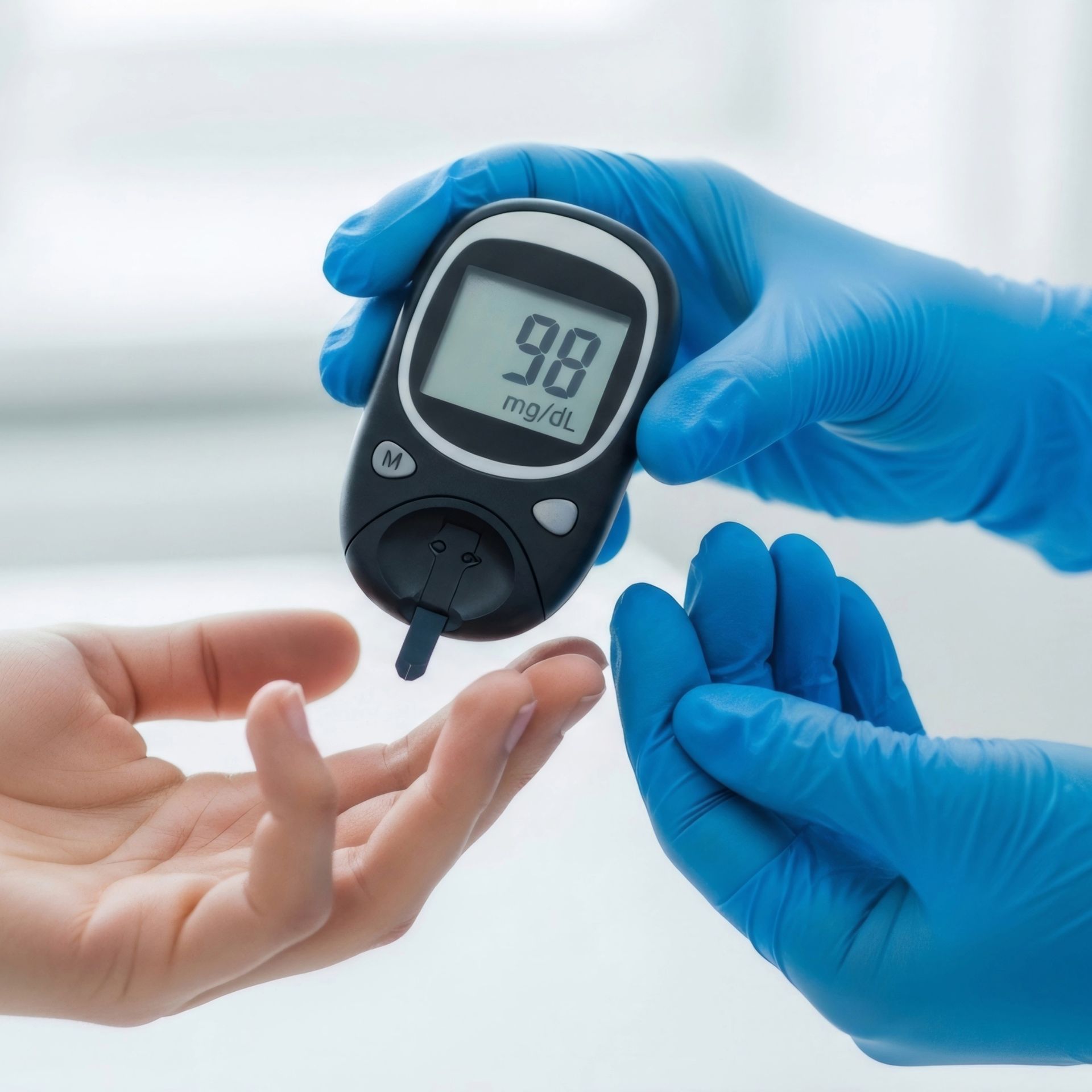
Blood glucose monitoring forms the foundation of diabetes management. Our nurses check blood sugar levels at appropriate times throughout the day. They interpret these readings and identify patterns that need attention. Understanding your average blood glucose level over time helps guide treatment decisions and prevent complications.
Modern glucose monitoring technology has improved significantly. Continuous glucose monitors provide real-time data about blood sugar trends. Our nurses know how to use these devices and interpret the information they provide.
Insulin administration requires precision and expertise. Our registered nurses provide subcutaneous injections safely and correctly. They adjust doses based on blood sugar readings, meals, and activity levels. Calculating the correct insulin dose for each situation requires clinical expertise and understanding of how your body responds.
The timing of insulin injections matters greatly. Our nurses understand how different types of insulin work in the body. They know when to give rapid-acting insulin versus long-acting varieties.
Medication management extends beyond insulin. Many people with diabetes take multiple medications. Our nurses organise these medications, administer them on schedule, and monitor for side effects. Some diabetes medications work by helping the body produce more insulin. Others improve how the body uses insulin. Still others slow down how quickly the body absorbs sugar from food.
Our nurses understand how each medication works and watches for interactions between different drugs. They can also collaborate with other health care professionals to prevent diabetes complications through proper medication management.
Managing blood sugar emergencies is critical. Hypoglycaemia (low blood sugar) and hyperglycaemia (high blood sugar) can be dangerous. Our nurses recognise the warning signs quickly and respond appropriately.
Low blood sugar can cause confusion, shakiness, and even loss of consciousness. High blood sugar can lead to diabetic ketoacidosis, a life-threatening condition. Our nurses carry the tools and knowledge needed to handle both situations.
Recognising complications early prevents serious problems. Our nurses watch for signs of infection, poor circulation, or other diabetes-related issues. They coordinate with doctors and specialists when concerns arise.
Foot care is particularly important for people with diabetes. Poor circulation and nerve damage can make foot injuries dangerous. Our nurses check feet regularly and teach participants how to care for them properly.
Coordination with healthcare providers keeps everyone informed. Our nurses communicate regularly with your GP, endocrinologist, and other health professionals as part of your health care team. This creates a complete picture of your health.
They share blood glucose levels records, report concerns, and implement treatment plan changes. This coordination prevents gaps in care and maintains consistency across all your health services. Regular updates to your diabetes care plan keep all providers working towards the same goals.
Registered nurses bring essential skills to NDIS high intensity support for diabetes management.
Expert clinical assessment happens at every visit. Our nurses don't just follow a checklist. They assess your overall health, notice subtle changes, and adjust care accordingly. They look at your skin colour, check how alert you are, and observe how you're moving. These observations help detect problems before they become serious, including early signs of low blood glucose that require immediate attention.
Ongoing monitoring catches problems early. Regular assessments help identify trends in your blood sugar levels. This allows for timely adjustments to your care plan. Our nurses keep detailed records of your blood sugar readings, medication doses, and any symptoms you experience. They analyse this information to spot patterns and predict potential problems. As part of your diabetes health care team, they use these insights to refine your management strategies continuously.
Safe medication administration protects your wellbeing. Our nurses have the training to give insulin injections correctly. They know how to handle and store medications properly.
Insulin must be kept at the right temperature. It needs to be injected in the right location and at the right depth. Our nurses follow strict protocols to get these details right every time.
Personalised care plans reflect your unique needs. Our nurses develop strategies that work for your lifestyle, preferences, and health goals. These plans evolve as your needs change.
Some participants prefer to be as independent as possible. Others need more hands-on support. We adapt our approach to match what works best for you.
Emergency response provides peace of mind. If you experience a diabetic emergency, our nurses know exactly what to do. They can stabilise your condition and arrange further medical help if needed.
They carry emergency supplies including glucose tablets, glucagon injections, and ketone testing strips. Their training covers rapid assessment and immediate intervention protocols.
Support worker supervision extends quality care. When support workers assist with your diabetes management, our nurses provide training and oversight. This helps maintain high standards of care even when we're not physically present.
Support workers can help with tasks like meal preparation, reminding about medications, and recognising when to call the nurse. But they work under nursing guidance to keep care safe and effective.
Education and empowerment help participants understand their condition. Our nurses explain what's happening with your diabetes in plain language. They teach you to recognise symptoms and understand why certain care steps matter. This knowledge helps you participate actively in your own care.
Effective diabetes management combines several approaches working together.
Regular blood sugar monitoring provides the information needed to make good decisions. Checking levels at consistent times each day shows how your body responds to food, activity, and medication. Detecting high blood glucose levels early allows for prompt intervention before complications develop.
Modern technology makes this easier than ever. Continuous glucose monitors can track trends without multiple finger pricks throughout the day.
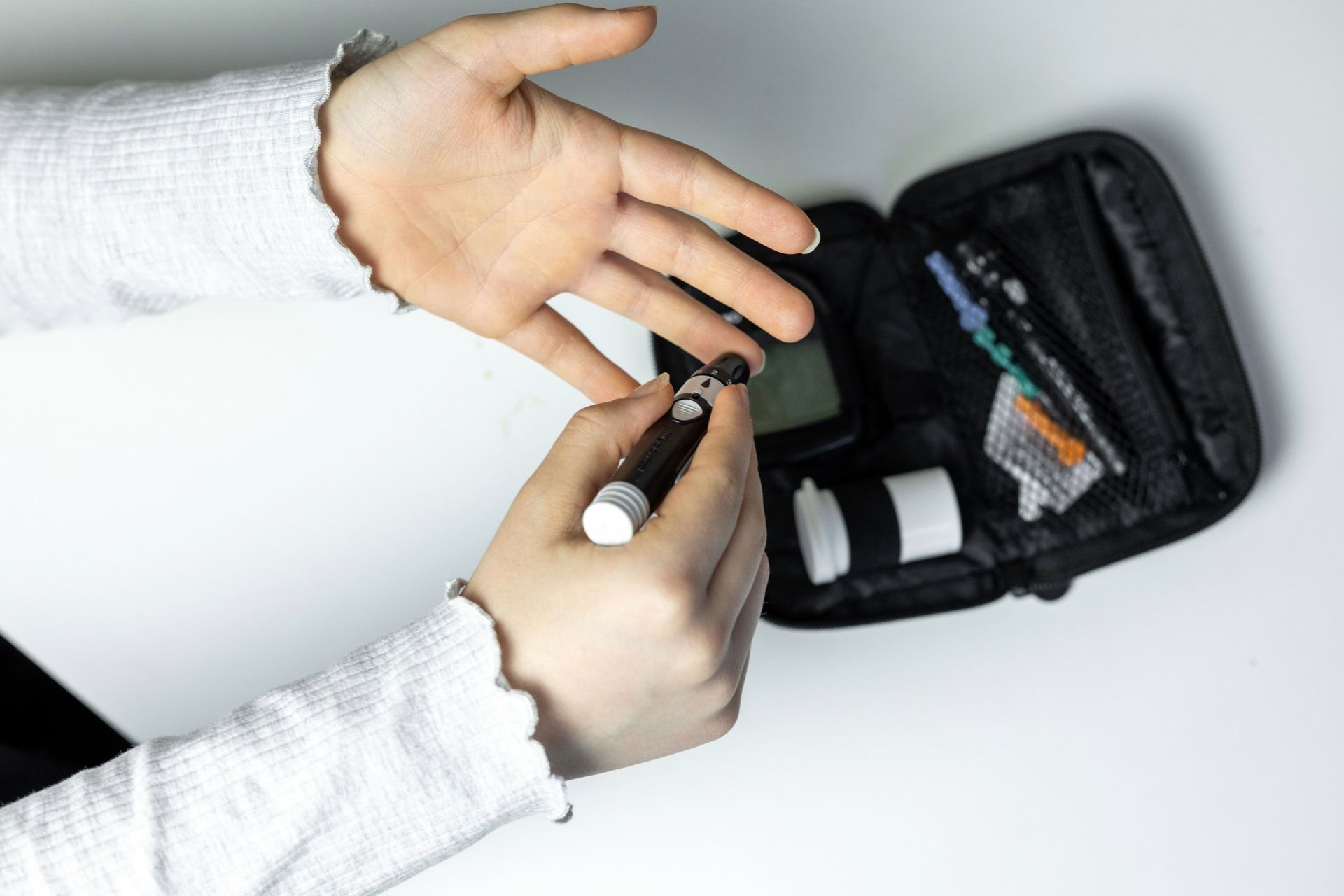
Medication adherence keeps blood sugar levels stable. Taking medications exactly as prescribed prevents dangerous swings in blood sugar. Our nurses help participants remember medications and understand why each one matters. Whether it's insulin or other diabetes medicines, each plays a specific role in your treatment plan. They also watch for side effects and report concerns to doctors promptly.
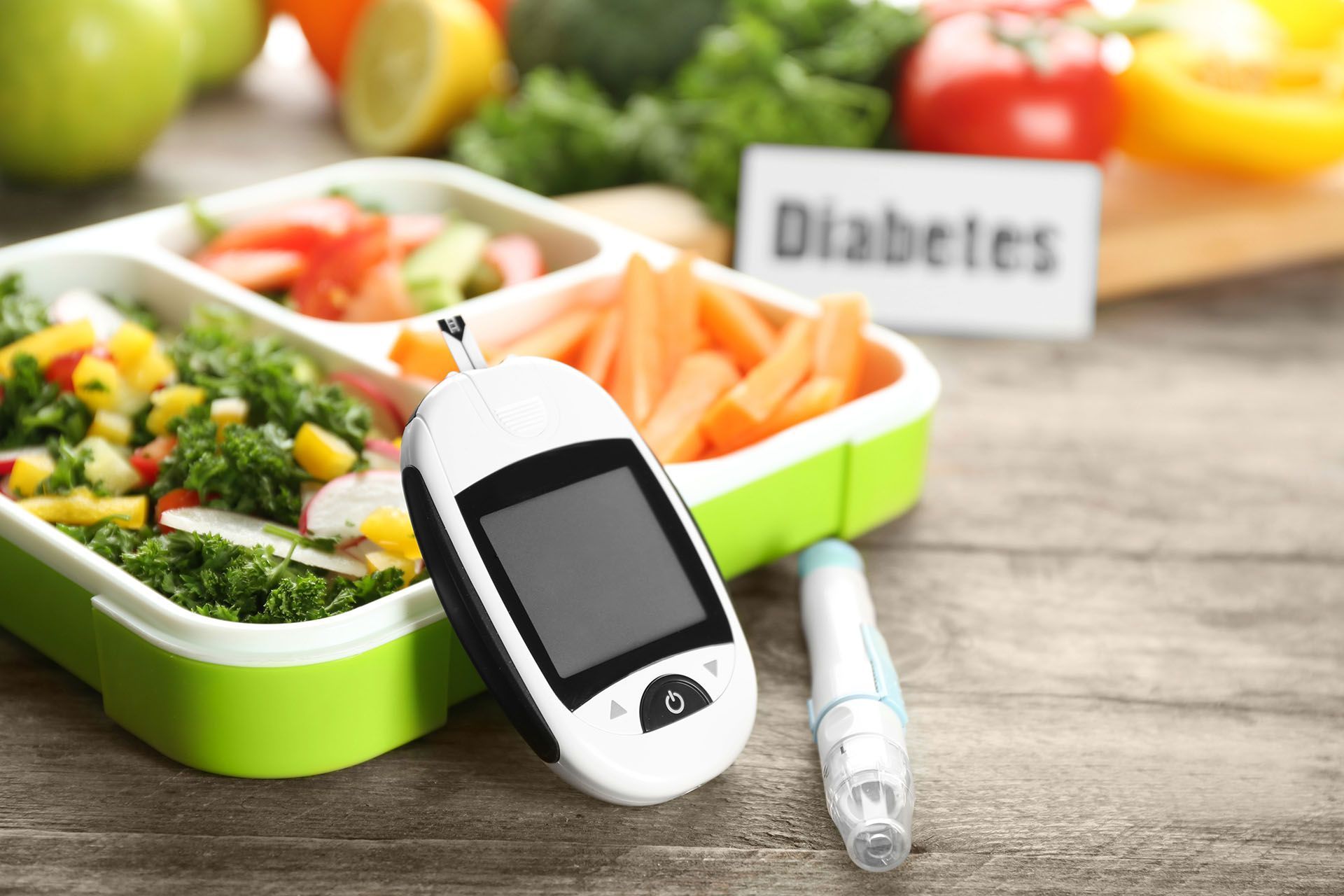
Healthy eating patterns significantly affect blood sugar control. Working with your healthcare team to develop a suitable diabetes meal plan helps manage diabetes effectively. Our nurses can coordinate with dietitians to create eating strategies that fit your lifestyle and preferences. A healthy diet doesn't mean deprivation. It means making informed choices that support stable blood sugar levels.
For some participants, consuming fewer calories may be part of the strategy, but this depends entirely on individual needs and goals. They also help participants understand how different foods affect their blood sugar.
Regular physical activity improves how your body uses insulin. Even moderate exercise like walking can make a real difference. Staying physically active is one of the most effective lifestyle changes you can make for diabetes management, and it also reduces your risk of heart attack and other cardiovascular complications. Our nurses help participants find safe ways to stay active. They monitor how exercise affects blood sugar and adjust care plans accordingly.
Stress management matters more than many people realise. Stress hormones can raise blood sugar levels. Our nurses recognise signs of stress and can suggest coping strategies. They also connect participants with mental health supports when needed.
Regular health checks catch complications early. This includes eye examinations, foot checks, kidney function tests, and cardiovascular assessments. Our nurses coordinate these appointments and help participants understand the results. Your health care team works together to monitor for any signs of complications, from low blood glucose episodes to long-term organ damage, through these regular screenings.
Consistent sleep patterns support overall health and blood sugar control. Poor sleep can affect insulin sensitivity and make diabetes harder to manage. Our nurses discuss sleep habits and can suggest improvements.
Diabetes management traditionally focuses on five key components.
Medical nutrition therapy forms the foundation of diabetes care. This means eating in ways that help control blood sugar levels. It's not about strict diets or deprivation. Instead, it focuses on understanding how different foods affect your body.
Carbohydrates have the biggest impact on blood sugar. Learning to count carbohydrates helps predict how meals will affect glucose levels. Protein and healthy fats also play important roles in a balanced approach to eating.
Our nurses work with participants to understand nutrition basics. They can help you read food labels, plan balanced meals, and make practical food choices. When needed, they coordinate with dietitians for more specialised nutrition support.
Physical activity is the second key component. Regular movement helps your body use insulin more effectively. It also supports cardiovascular health, weight management, and overall wellbeing. The type and amount of activity should match your abilities and health status.
For NDIS participants with complex needs, our nurses help design safe activity plans. They monitor how exercise affects blood sugar and adjust medication timing when needed. They also watch for any problems that might make certain activities risky.
Medication management forms the third component. This includes insulin, oral medications, and any other drugs prescribed for diabetes or related conditions. Taking medications correctly and consistently is vital for good blood sugar control.
Our registered nurses excel at medication management. They administer medications safely, monitor for side effects, and communicate with prescribers about how well treatments are working. They also help participants understand what each medication does and why it matters.
Monitoring is the fourth essential component. Regular blood sugar checks show whether the management plan is working. Monitoring also includes regular health assessments to detect complications early.
Our nurses provide expert monitoring services. They check blood sugar at appropriate times, record results carefully, and analyse patterns. They also conduct broader health assessments including checking feet, monitoring blood pressure, and watching for signs of complications. Working alongside your health care team, they share monitoring data with all providers involved in your care to maintain a coordinated approach.
Education rounds out the five components. Understanding diabetes helps participants make informed decisions about their care. Education covers everything from recognising symptoms to understanding test results.
Our nurses provide ongoing education at a pace that works for each participant. They explain complex topics in simple language. They answer questions and help participants feel confident about managing their condition.
These five components work together as a complete system. Neglecting any one component weakens the overall management plan. Our nursing support addresses all five components in a coordinated way.
Understanding which foods to limit helps maintain stable blood sugar levels.
Sugary drinks cause rapid blood sugar spikes. Soft drinks, fruit juices, and sweetened teas contain large amounts of simple sugars. These sugars enter the bloodstream quickly without any fibre to slow absorption. Even "natural" fruit juices can cause problems despite seeming healthy.

Refined carbohydrates break down quickly into sugar. White bread, white rice, and regular pasta raise blood sugar faster than whole grain alternatives. The refining process removes fibre and nutrients that help slow digestion.
Processed snack foods often combine refined carbohydrates with unhealthy fats. Biscuits, cakes, pastries, and chips can send blood sugar soaring. They also tend to be high in calories but low in nutrients.
Fried foods present multiple problems. The frying process adds unhealthy fats. Many fried foods also have battered or breaded coatings made from refined flour. Both factors affect blood sugar and overall health.
Foods high in saturated fats can worsen insulin resistance. Fatty cuts of meat, full-fat dairy products, and foods cooked in butter or lard should be limited. These foods also increase cardiovascular disease risk, which is already higher for people with diabetes.
Alcohol requires careful consideration. It can cause blood sugar to drop dangerously low, especially when consumed without food. Alcohol also contains calories that affect weight management. Our nurses help participants understand safe alcohol consumption if they choose to drink.
However, diabetes management isn't about completely avoiding foods. It's about making informed choices and understanding portion sizes. Our nurses help participants develop practical eating strategies. They focus on what you can eat rather than creating long lists of forbidden foods.
Working with your healthcare team, including our nurses and dietitians, creates an eating plan that fits your life. This plan considers your cultural background, food preferences, budget, and cooking abilities. It also accounts for any other health conditions you have.
Diabetes often appears alongside other health challenges.
Kidney disease is common in people with diabetes. High blood sugar levels can damage the tiny blood vessels in the kidneys. Our nurses monitor kidney function and adjust care to protect your kidneys. They work closely with renal specialists when needed.
Diabetes management becomes more complex when kidney disease is present. Some diabetes medications can't be used safely with reduced kidney function.
Neuropathy (nerve damage) affects many people with diabetes. It usually starts in the feet and legs but can affect any part of the body. Our nurses check for signs of nerve damage regularly. They look for numbness, tingling, or pain that might indicate neuropathy. They implement strategies to prevent further damage and manage any symptoms.
Neuropathy makes diabetes management more challenging in several ways. People with neuropathy might not feel foot injuries, leading to serious infections. They might not recognise the symptoms of low blood sugar as easily. Our nurses stay alert to these complications.
Cardiovascular issues require careful attention. Diabetes increases the risk of heart disease and stroke significantly. Our nurses monitor your cardiovascular health and coordinate with cardiac specialists. They watch blood pressure, check for circulation problems, and make certain medications support heart health.
Managing diabetes with heart disease means balancing multiple medications. Some diabetes drugs affect the cardiovascular system. Some heart medications affect blood sugar. Our nurses track all these interactions carefully.
Vision problems develop in many people with long-term diabetes. High blood sugar can damage blood vessels in the eyes. Our nurses arrange regular eye examinations and watch for vision changes. They also adapt care strategies if vision loss makes self-management difficult.
Coordinated care addresses all your health needs together. Our nurses understand how different conditions affect each other. They create care strategies that consider your complete health picture. When treating diabetes affects another condition, they work with your medical team to find solutions.
Integration with other supports creates seamless care. If you receive other high-intensity supports through NDIS, our nurses work with your entire care team. This might include support for bowel care, wound management, catheter care, or other complex needs. Having one provider deliver multiple services often works better than coordinating between separate providers.
Holistic wellbeing goes beyond physical health. Our nurses consider your emotional and social wellbeing too. They recognise that managing diabetes affects every aspect of your life. Living with multiple chronic conditions can feel overwhelming. Our nurses provide not just physical care but also emotional support and practical help. As part of your health care team, they connect you with additional resources and support services when needed.
Getting diabetes management support through NDIS involves several steps.
Eligibility depends on your individual circumstances. NDIS participants who need professional nursing support for diabetes management can access these services. Your diabetes must require a level of care that goes beyond what support workers can provide alone.
The NDIS looks at whether your diabetes care needs are related to your disability. They also consider whether you need specialised skills and clinical oversight. Most participants with complex diabetes management needs will meet the criteria for high-intensity support funding.

Including diabetes management in your plan starts with your planning meeting. You'll need to explain your diabetes care needs and why you require registered nurse support. Medical reports from your doctor or specialist help demonstrate this need. The more detail you provide about your daily care requirements, the better.
Describe specific tasks that need nursing expertise. Explain how often you need support. Mention any complications you've experienced. Talk about other health conditions that make diabetes management more complex. All of this information helps the NDIS understand your needs.
Funding categories for diabetes management typically fall under High Intensity Daily Personal Activities (HIDPA). This category covers supports that need specialised skills and clinical oversight. Your plan manager or support coordinator can help identify the right budget categories.
Some participants might also access funding through other categories. Core supports might cover some aspects of care. Capacity building funds might support education and skill development. Your specific situation determines which budget categories apply.
Working with coordinators makes the process smoother. Your support coordinator understands NDIS funding and can help arrange services. They connect you with providers like Flame Lily who deliver the care you need.
Plan managers handle the financial side of your NDIS plan. They process invoices and track your budget. Working with both a support coordinator and plan manager gives you the best support for navigating the NDIS system.
Yes, diabetes management is covered when it's classified as High Intensity Daily Personal Activities (HIDPA). Your plan needs to include funding for these supports based on your individual needs, typically under the Core Supports – Assistance with Daily Life category.
Diabetes management involves clinical judgement and specialised procedures. Registered nurses can assess your condition, administer medications safely, and respond to emergencies. Support workers can help with some tasks under nursing supervision, but they can't replace the expertise of a registered nurse.
Visit frequency depends on your individual needs. Some participants need daily visits, while others require weekly or fortnightly check-ins. Our nurses work with you to determine the right schedule.
Yes, our registered nurses can provide training and supervision for your support workers. This helps your support team assist with certain diabetes management tasks while maintaining safety and quality.
We provide diabetes management support throughout NSW. Our service areas include Wollongong, Shoalhaven, Southern Highlands, and Western Sydney. Contact us to confirm service availability in your specific location.
Flame Lily brings specific strengths to diabetes management and care.
Specialised nursing qualifications set us apart. All our nurses are registered with AHPRA. They have training in diabetes management and experience with complex health needs.
24/7 support availability means help is there when you need it. Diabetes doesn't follow a nine-to-five schedule. We offer flexible support options, including round-the-clock care when your plan supports it.
Experience with complex conditions gives you confidence. Our nurses regularly work with participants who have multiple health challenges. They understand how different conditions interact and affect your diabetes management.
Comprehensive care approach considers every aspect of your health. We don't just focus on blood sugar levels. We look at your nutrition, physical activity, medication management, and overall wellbeing.
Person-centred flexibility respects your preferences. We develop care plans around your lifestyle and goals. Your input shapes how we deliver your diabetes management support.
NSW-wide coverage brings quality care to your area. Whether you live in a major centre or a regional area, we work to make our services accessible. Our registered nurses integrate seamlessly with your existing health care team to provide coordinated diabetes management across all locations we service.
Professional diabetes management makes a real difference to the lives of NDIS participants.
Preventing serious complications protects your long-term health. Regular monitoring and expert care catch problems before they become emergencies. This can prevent hospital admissions and reduce the risk of long-term damage to your organs.
Supporting independence helps you live life on your terms. With proper diabetes management, you can participate in activities you enjoy. You gain confidence knowing that your health is being monitored by professionals.
Peace of mind benefits everyone. You and your family can relax knowing that qualified nurses are managing your diabetes care. This reduces stress and improves quality of life for the whole family.
Reducing hospital visits saves time and worry. When diabetes is well-managed, you're less likely to need emergency care. This means fewer disruptions to your daily life and better overall health outcomes.
Better health outcomes come from consistent, expert care. Our participants typically see improvements in their blood sugar control. This leads to feeling better day-to-day and reduces the risk of future complications.
Diabetes management is a vital high-intensity care skill that requires professional nursing support. The complexity of monitoring blood glucose, administering insulin, managing emergencies, and coordinating care with other health conditions makes registered nurse involvement an absolute necessity.
Through the NDIS, participants can access the specialised diabetes management support they need. Flame Lily's registered nurses bring expertise, compassion, and dedication to every participant's care. We develop personalised strategies that address your unique health needs while supporting your independence and quality of life.
If you need diabetes management support through your NDIS plan, Flame Lily is here to help. Our team of experienced registered nurses provides the expert care you deserve. We work across NSW to bring quality diabetes management to participants in their own homes.
Contact Flame Lily Australia today to discuss your diabetes management needs. We'll arrange an initial consultation to understand your specific requirements and develop a personalised diabetes management plan that works best for you.








Flame Lily Australia is an NDIS registered provider supporting participants with complex health needs through Continence Nurse Consultant (CNC) assessments, Nursing Care Plans (audit-ready), Nursing Support Services (RN oversight), High Intensity Nurse Support and training.
Home Care Package services via registered providers, where applicable.
Need Help? Call Us
Tsitsi - 0415 403 313
Hilda - 0415 402 516

Wollongong • North Wollongong • Fairy Meadow • Corrimal • Balgownie • Figtree • Keiraville • Gwynneville • Thirroul • Bulli • Austinmer • Dapto • Shellharbour area (Shellharbour, Oak Flats) (and surrounding suburbs)
Nowra • Bomaderry • Worrigee • North Nowra • South Nowra • Berry • Shoalhaven Heads • Culburra Beach • Huskisson • Vincentia • Callala Bay • Sussex Inlet (and surrounding suburbs)
Bowral • Mittagong • Moss Vale • Berrima • Burradoo • Bundanoon • Robertson • Sutton Forest • Exeter • Colo Vale (and surrounding suburbs)
Campbelltown • Leumeah • Bradbury • Glenfield • Ingleburn • Minto • Macquarie Fields • Raby • Rosemeadow • St Andrews • Menangle Park (and surrounding suburbs)
Sutherland • Miranda • Caringbah • Cronulla • Gymea • Kirrawee • Engadine • Menai • Sylvania • Oyster Bay (and surrounding suburbs)
Not sure if your suburb is included? We cover surrounding suburbs across these regions, and may travel further for bulk provider bookings.
Website Management  Love My Online Marketing
